Discover freedom in and beyond the disguises you wear.

About Dan
I work together with men, leaders, and therapists like you, who wish for something more, even if they don’t yet have the words for what that something is. Other people, or maybe you, might describe it as experiencing something more that what work and life have turned out to be. “Is this really it?”
I focus on and help you experience what happens when we set down performing for a moment to be with what’s real and what’s happening… Now. Rather than focusing on fixing or optimizing, our work centers on slowing down, noticing differences in the present, and developing greater capacity to stay with what’s happening. This shift will help you come and feel more alive.
Others often describe what we do as steady, grounding, and clarifying—supportive without being directive, and challenging without pressure.


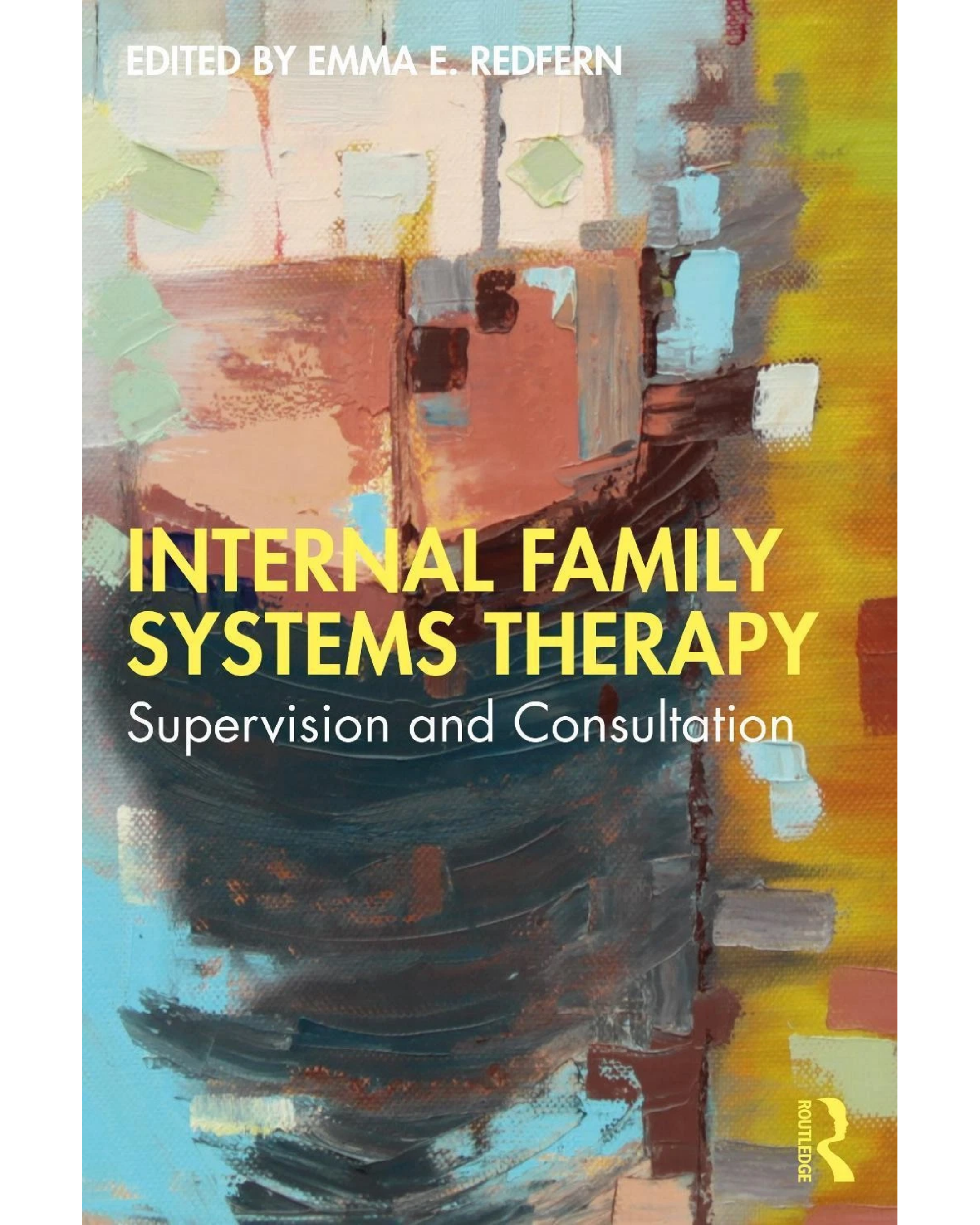
I did the first research on IFS informed consultation and supervision, forming a grounded theory of this process.
You'll find an overview of my findings in his chapter in Internal Family Systems Therapy: Supervision and Consultation.

Artwork by
Sharon Sargent Eckstein & Backwoods Press
About Internal Family Systems (IFS)
Since Internal Family System’s conception within psychotherapy, IFS has become a more broadly useful way of being and engaging with ourselves and the world.
IFS is an approach that invites us to notice ourselves and other people as made up of different “parts,” all of which attempt to serve a valuable purpose (for us). At the core of IFS is the belief that our essence is a timeless, spacious Self Presence. When we re-member ourSelf, we can lead with clarity and care.
IFS offers us a practical and respectful framework for working and relating with all of experience—emotion, sensation, other people, and the mysteries of life and living—without ignoring your life patterns or forcing them to change.
Looking for deeper understanding?
This in-depth conversation between Dr. Richard Schwartz and Andrew Huberman offers a grounded introduction to how IFS works, where it came from, and what the approach looks like in practice.
If something here resonates, the next step is simple.